
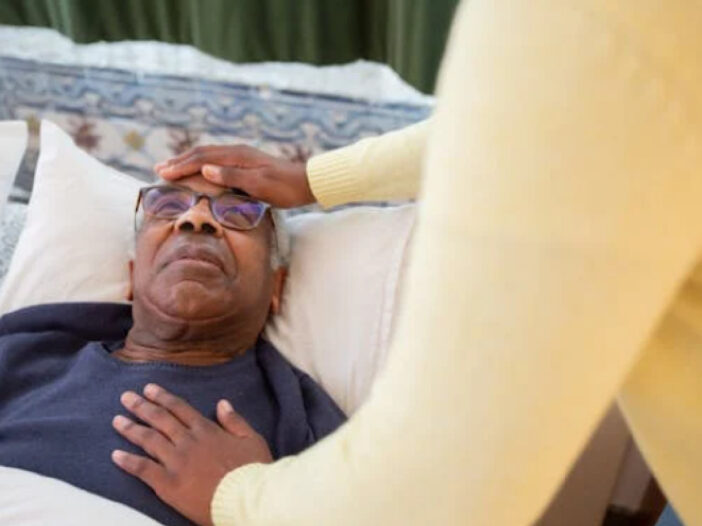
When you place a loved one in a nursing home, you’re usually trusting strangers with your loved one’s most vulnerable moments. Unfortunately, that trust gets violated more often than most families realize. The National Center on Elder Abuse reports that up to 10 percent of seniors experience some form of abuse. Still, experts believe the real numbers are much higher because so many cases go unreported or undetected.
That’s where surveillance technology becomes a game-changer. What used to be nearly impossible to prove—mistreatment happening behind closed doors—can now be documented with crystal-clear video evidence. But using surveillance in nursing homes isn’t as easy as setting up a camera and pressing record. There’s a complex web of laws, privacy concerns, and facility policies that families need to understand.
Using Cameras and Monitoring Systems as Legal Evidence
The power of video evidence in nursing home abuse cases can’t be overstated. Unlike witness testimony, which can be disputed or forgotten, properly obtained video footage provides an objective record of exactly what happened. Courts often accept monitoring system evidence in both civil lawsuits and criminal prosecutions.
In 2019, hidden camera footage caught a nursing home staff member sexually abusing a disabled resident, leading to criminal charges for second-degree rape. That same year, another camera captured a healthcare worker physically abusing a resident by twisting their arm—the worker lost their job and faced criminal charges. These aren’t isolated incidents. In Oklahoma, footage of staff members shoving a latex glove into a 98-year-old resident’s mouth led to criminal arrests and ultimately changed state law to allow nursing home cameras explicitly.
The legal standard for admitting surveillance evidence is straightforward: it must be obtained legally and authentically represent what occurred. When families follow proper procedures for installing cameras or when facilities provide their surveillance footage, courts generally admit this evidence without hesitation. The footage can document physical abuse, such as hitting or rough handling, neglect, such as failing to provide basic care, and even financial exploitation.
Expert testimony often accompanies surveillance evidence to help explain what the footage shows. Medical experts can testify about injuries visible in the video, while nursing care experts can explain how the actions captured on camera violate standard care protocols. This combination of visual evidence and expert interpretation can simply create compelling cases that are difficult for defendants to dispute.
What makes surveillance evidence especially valuable is its ability to show patterns of behavior over time. A single incident may be explained away as an accident or misunderstanding, but footage that shows repeated mistreatment can easily establish a clear pattern of abuse or neglect. This is especially important in cases involving residents with dementia or other cognitive impairments who may not be able to communicate what’s happening to them.
The timing aspect of surveillance evidence also matters tremendously. Most nursing homes automatically delete footage after 30 to 90 days due to storage limitations, so families need to act quickly when they suspect problems. Once footage is deleted, that window of evidence is gone forever, making it much harder to prove what actually occurred.
Privacy vs. Protection: Navigating HIPAA and Consent Requirements
The most prominent legal hurdle families face with nursing home surveillance involves balancing their loved one’s safety with privacy rights, both for the resident and for other people who might be recorded. The Health Insurance Portability and Accountability Act (HIPAA) doesn’t prohibit cameras in nursing homes, but it does create compliance challenges when footage captures medical information.
Here’s where things get tricky: if a camera records a staff member discussing a resident’s treatment or medication, that footage could qualify as Protected Health Information under the HIPAA laws. This means that the video must be stored and handled according to strict federal privacy standards. Families can’t just upload footage to any cloud service or share it freely—they need to use encrypted, HIPAA-compliant storage systems.
The consent requirements vary significantly depending on your location. In states that have two-party consent laws for recording, capturing audio without permission from everyone involved could lead to criminal charges. This is why many legal experts recommend video-only surveillance systems that don’t record sound, unless you’re sure about your state’s audio recording laws and have obtained proper consent.
Roommate consent presents another layer of complexity. If your loved one shares a room with another person, you typically need written permission from the roommate or their family as well, prior to installing any surveillance equipment. Some families have found creative solutions, such as positioning cameras to capture only their loved one’s bed area, but this can limit the effectiveness of the monitoring.
Staff privacy rights also come into play. While nursing home employees don’t have a reasonable expectation of privacy in resident care areas during their work duties, secretly recording them in break rooms or other private spaces could violate their rights. The key is to focus surveillance on areas where care is provided and to ensure that it’s done transparently.
Many nursing homes try to use HIPAA as a blanket excuse to deny camera requests, claiming that any surveillance would violate patient privacy. This is often a misinterpretation of the law. HIPAA applies when footage contains medical information, but it doesn’t apply to general monitoring of care activities. Families who face this pushback should consult with an attorney who understands both elder law and HIPAA requirements.
State Laws and Installation Requirements for Family-Requested Surveillance
The legal landscape for nursing home cameras varies dramatically from state to state. Right now, 14 states have explicit laws that allow families to install surveillance equipment in their loved one’s room, while others leave it up to individual facility policies. Knowing your state’s specific requirements is crucial, and understanding the requirements before taking any action is imperative.
Texas has one of the most comprehensive laws, specifically allowing citizens to install covert monitoring devices to protect their loved ones. The law makes it illegal for nursing homes to refuse these requests, but families must follow specific procedures. They need to provide prior notice using official state forms, get written consent from roommates, post conspicuous signs about monitoring, and agree to pay for installation and maintenance costs.
Washington state has similar protections, explicitly stating that nursing homes cannot discriminate against residents who want surveillance cameras. The law allows legally obtained footage to be used in civil, criminal, and administrative proceedings. Other states, such as Oklahoma, New Mexico, and Illinois, have passed their own versions of “granny cam” laws, each with slightly different requirements.
Some states take a more limited approach. Maryland only allows cameras in facilities that have expressly granted permission, giving nursing homes more control over the decision. New Jersey and Wisconsin have special programs that allow temporary camera installation when abuse is suspected, but haven’t passed comprehensive laws protecting these rights.
The absence of state laws doesn’t necessarily mean you can’t install cameras—it just means you’re relying on facility policies and general privacy laws. In states without specific nursing home camera legislation, some families have successfully negotiated with facilities to allow monitoring, especially when there are documented concerns about care quality.
Installation requirements typically include several common elements across different states. You usually need consent from the resident (or their legal guardian if they lack capacity), written approval from roommates in shared rooms, proper signage indicating the room is monitored, and agreements about who pays for equipment and internet access. Many states also require that footage be stored securely and access be limited to authorized individuals.
The trend is clearly moving toward more states allowing nursing home cameras. Several states are currently considering legislation that would protect families’ rights to monitor their loved ones’ care. This shift reflects growing recognition that surveillance can be an important tool for preventing and documenting elder abuse.
Overcoming Challenges: When Facilities Resist or Delete Footage
Even in states with laws that protect camera rights, families often face resistance from nursing home administrators who cite various policies and concerns to deny surveillance requests. Knowing how to navigate these challenges—and when to involve legal counsel—can make the difference between protecting your loved one and hitting bureaucratic roadblocks.
Nursing homes commonly claim that cameras violate HIPAA privacy rules, create liability issues, or disrupt care routines. While some of these concerns have merit, they’re often exaggerated or misapplied. Facilities worry about being monitored constantly and having their care practices scrutinized, which can create resistance even when surveillance is legally permitted.
The most effective approach is usually to be transparent and collaborative rather than secretive. Contact the nursing home administrator in writing, explain your concerns about your loved one’s care, and reference specific state laws that protect your right to install monitoring equipment. Provide documentation showing you’ve met all legal requirements, including consent forms and equipment specifications.
When facilities resist, having an attorney send a formal demand letter often resolves the issue quickly. Nursing homes understand they can face legal liability for improperly denying camera requests in states where they’re legally protected. The letter should cite relevant state statutes and make clear that the family is prepared to pursue legal action if necessary.
The deletion of footage presents a particularly challenging problem. Most nursing homes have automatic deletion policies due to storage costs, but if a facility deliberately erases footage after receiving a formal request, it may constitute obstruction of justice or evidence tampering. The key is to make formal written requests for footage as soon as possible after suspected incidents.
Some families have found success by filing legal preservation notices that formally require facilities to retain all surveillance footage related to their loved one. These notices create legal obligations for the nursing home and can lead to serious consequences if footage is destroyed after the notice is served. Courts may impose severe sanctions on facilities that fail to preserve evidence after receiving proper legal notice.
When dealing with uncooperative facilities, documentation becomes critical. Keep detailed records of all communication, including emails, phone calls, as well as in-person meetings. Document any incidents that raise concerns about care quality, and note if facility staff seem evasive or resistant to reasonable questions about your loved one’s treatment.
Private investigative services that specialize in elder abuse cases can sometimes help when facilities are completely uncooperative. These professionals are aware of how to legally obtain information and evidence that families may not be able to access on their own. They can also provide expert testimony about industry standards and help identify patterns of problematic behavior.
The bottom line is that surveillance technology has fundamentally changed the landscape of nursing home abuse cases. What has happened in the shadows can now be brought into the light, providing families with powerful tools to protect their loved ones and hold facilities accountable. Using these tools effectively requires an understanding of the legal framework, adherence to proper procedures, and the ability to advocate firmly for your loved one’s rights.
When nursing homes know that they’re being watched, care quality typically improves. When abuse does occur despite surveillance, the evidence is usually strong enough to ensure justice is served. For families dealing with the problematic reality of nursing home care, surveillance technology offers both peace of mind and a path to accountability when things go wrong.