
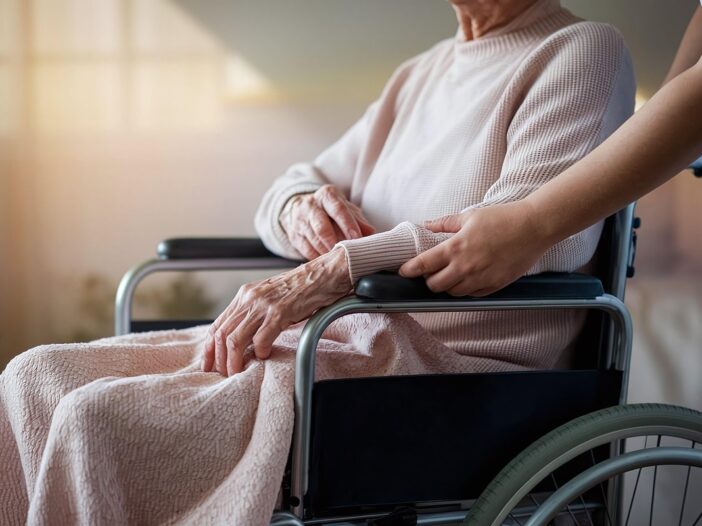
When families entrust their elderly loved ones to a nursing home, they expect safety to be a fundamental guarantee. However, resident-on-resident violence occurs far more often than most realize. Recent studies reveal that 22 percent of nursing home abuse involves resident-on-resident incidents, with one in five residents experiencing hostile encounters with fellow residents within four weeks. Understanding when nursing homes can be held legally responsible for these incidents is crucial for families seeking justice and protection.
When Facilities Fail to Protect Vulnerable Patients
Nursing homes have a fundamental duty of care to prioritize resident safety and can be held liable for failing to prevent, recognize, or take action against resident-on-resident abuse. This responsibility extends beyond medical care to creating secure environments where residents live without fear of harm from others.
Failure to protect residents, manifests in several critical areas. Inadequate supervision represents one of the most significant shortcomings, particularly in common areas where residents gather. When facilities lack proper staffing or fail to monitor volatile situations, conflicts escalate quickly into physical altercations. Many facilities also struggle with identifying and managing residents who exhibit aggressive behaviors.
Warning signs often precede serious incidents, and attorneys frequently examine violence patterns involving aggressive residents. If facilities ignore warning signs or fail to take preventive action, they may be found negligent for subsequent attacks. Consequences range from physical injuries and emotional trauma to wrongful death.
Legal Standards and Duty of Care for Resident Safety
Federal law establishes comprehensive safety requirements through the Nursing Home Reform Act of 1987, which states that facilities must provide quality care and protection from harm. This duty encompasses providing appropriate medical care, implementing abuse prevention measures, maintaining safe environments, and ensuring adequate staff training.
Duty of care is breached when facilities fail to provide reasonable care, including violations of state law, federal regulations, contractual obligations, or basic care standards. Courts evaluate breach cases on a case-by-case basis, considering facility resources, resident acuity levels, and whether reasonable facilities would have acted differently.
Foreseeability serves as a primary factor in determining liability. Facilities must prevent foreseeable harm through thorough resident assessments, medical record reviews, and family consultations. When nursing homes fail to conduct proper evaluations or ignore known risk factors, they create conditions leading to preventable violence.
The legal framework requires detailed incident documentation, reporting protocols, and corrective action. Many states have additional licensing standards setting minimum staffing levels, training requirements, and safety protocols specifically designed to prevent resident harm.
Common Risk Factors and Prevention Strategies
Understanding factors contributing to resident-on-resident violence is essential for prevention and legal accountability. Significant risk factors include dementia and cognitive decline, overcrowding and understaffing, and inadequate medical care, leaving residents agitated or confused.
Research indicates that over 80 percent of nursing home residents experience cognitive decline, with dementia being the primary cause. These conditions lead to behavioral symptoms, including agitation and aggression, requiring specialized management. When staff lack proper dementia care training or facilities operate with insufficient supervision, the risk of violent incidents increases significantly.
Effective prevention strategies require comprehensive approaches that address both environmental and operational factors. These include training programs that teach staff to identify potential violent situations, develop de-escalation strategies, conduct ecological risk assessments, and establish clear incident reporting protocols.
Adequate staffing levels are crucial, with research establishing minimum requirements of 0.75 registered nurse hours per resident day, 0.55 licensed nurse hours, and 2.8 certified nursing assistant hours per resident day to prevent harm. Physical environment modifications include the installation of security cameras in common areas, secure spaces for agitated residents, and adequate lighting throughout the facilities.
Pursuing Legal Remedies and Compensation
Families whose loved ones suffer harm from resident-on-resident violence have several legal options for accountability and compensation. Successful liability claims require establishing four key elements: a duty of care, a breach of that duty, causation linking the violation to the injuries, and measurable damages.
Despite another resident directly causing harm, facilities can be held liable when they fail to provide adequate protection. The legal theory focuses on whether facility negligence created conditions allowing violence or whether reasonable preventive measures could have avoided incidents.
Evidence gathering is crucial for strong cases. Necessary evidence includes nursing home records, medical reports revealing the cause of injury, resident and staff testimony, and expert witness opinions on care standards and facility breaches. Surveillance footage, incident reports, and documentation of previous violent episodes strengthen claims.
Compensation typically covers medical expenses for treating injuries, costs for relocating residents to safer facilities, pain and suffering, and, in wrongful death cases, funeral expenses and loss of companionship. Some jurisdictions allow punitive damages when nursing home conduct is particularly egregious.
The legal process involves negotiations with facility insurance companies, regulatory reporting to state agencies, and potentially formal litigation. Experienced nursing home abuse attorneys understand the complexities of these cases and help families navigate the legal system while addressing immediate safety concerns.
Understanding that liability stems not from the violent residents’ actions but from the facility’s failure to meet its duty of care is key to successful legal action. Families should document incidents thoroughly, seek immediate medical attention for injured loved ones, and consult with experienced attorneys who specialize in nursing home abuse cases.